Dubai Property Handover Checklist 2026: 100+ Things to Check Before Taking the Keys
Taking possession of a new property is not the same as confirming that it is ready. A proper Dubai Property Handover Checklist 2026 should cover far more than paint, tiles and visible scratches. Before accepting the keys, the property should be checked systematically across finishes, doors and windows, electrical systems, plumbing, HVAC, waterproofing, drainage, kitchens, bathrooms, balconies and installed equipment.

A defect that looks cosmetic during a quick walkthrough can sometimes indicate an installation or workmanship problem. A loose socket, poorly sealed shower, abnormal drain flow or damaged window seal is easier to address before handover than after furniture, appliances and occupants are in the property.
The objective of a handover inspection is therefore simple: identify observable defects, document them clearly and give the developer a practical defect list for rectification.
Why a Dubai Property Handover Inspection Matters
New properties can contain defects even when the apartment or villa looks finished. Construction involves multiple trades working at different stages, and a final visual presentation does not prove that every component has been installed or operates correctly.
A handover inspection should combine visual examination with functional checks wherever reasonably possible.
This is particularly important for systems that cannot be judged reliably by appearance alone. An electrical outlet may look perfect but still require testing. A bathroom may have excellent-looking finishes while drainage, sealing or water flow needs further examination.
Our experience across property inspections also shows why defect documentation matters. PropertySnagging.ae has published findings from more than 1,000 property inspections across Dubai, providing a useful practical perspective on the types of issues encountered during inspections.
For broader context, see the Dubai Property Defect Index 2026.
100+ Point Dubai Property Handover Checklist 2026
1. Entrance, Walls, Ceilings and General Finishes
Check every room rather than relying on a general visual impression.
Entrance door alignment
Door frame condition
Door lock operation
Door handle operation
Door closer operation where installed
Door seals
Scratches or dents on doors
Wall paint consistency
Paint overspray
Visible cracks
Joint cracks
Uneven wall surfaces
Damaged plaster
Ceiling cracks
Ceiling staining
Uneven ceiling finishes
Paint around service penetrations
Corners and wall junctions
Skirting alignment
Damaged skirting
Gaps between skirting and walls
Floor tile damage
Tile chips
Cracked tiles
Hollow-sounding tiles where appropriate to assess
Uneven tile levels
Grout gaps
Discoloured grout
Silicone finishing
Expansion or movement joints where applicable
Small finishing defects should still be documented, but the inspection should distinguish them from defects that may affect operation, water resistance or durability.
2. Windows, Glazing and Balcony Areas
Windows should be operated rather than inspected only from a distance.
Window opening and closing
Locking mechanism
Handle operation
Frame alignment
Damaged frames
Scratched glass
Cracked glass
Sealant around frames
Gaps around window frames
Visible water staining
Drainage openings
Sliding door operation
Sliding door locks
Balcony door seals
Balcony threshold condition
Balcony floor finish
Balcony drainage
Visible cracks
Railing condition
Railing fixings where accessible
External wall finishes visible from the property
Where accessible and appropriate, drainage points should be checked for obstruction or poor water flow rather than simply confirming that a drain exists.
3. Electrical System Checks
Electrical inspection requires more than switching on a few lights.
Distribution board condition
Circuit labels
Main isolator identification
Accessible breakers
Socket condition
Socket alignment
Socket operation
Switch operation
Light fitting operation
Light switch operation
Dimmer operation where installed
Bathroom electrical fittings
Kitchen sockets
Appliance connection points
Cooker connection
Extractor connection
Washing-machine connection
Dishwasher connection
Water-heater connection
Outdoor electrical points where installed
Exposed or damaged wiring
Loose faceplates
Unfinished electrical points
Intercom operation
Doorbell operation where installed
Smoke or alarm devices where installed
Data and communication outlets
TV outlets where installed
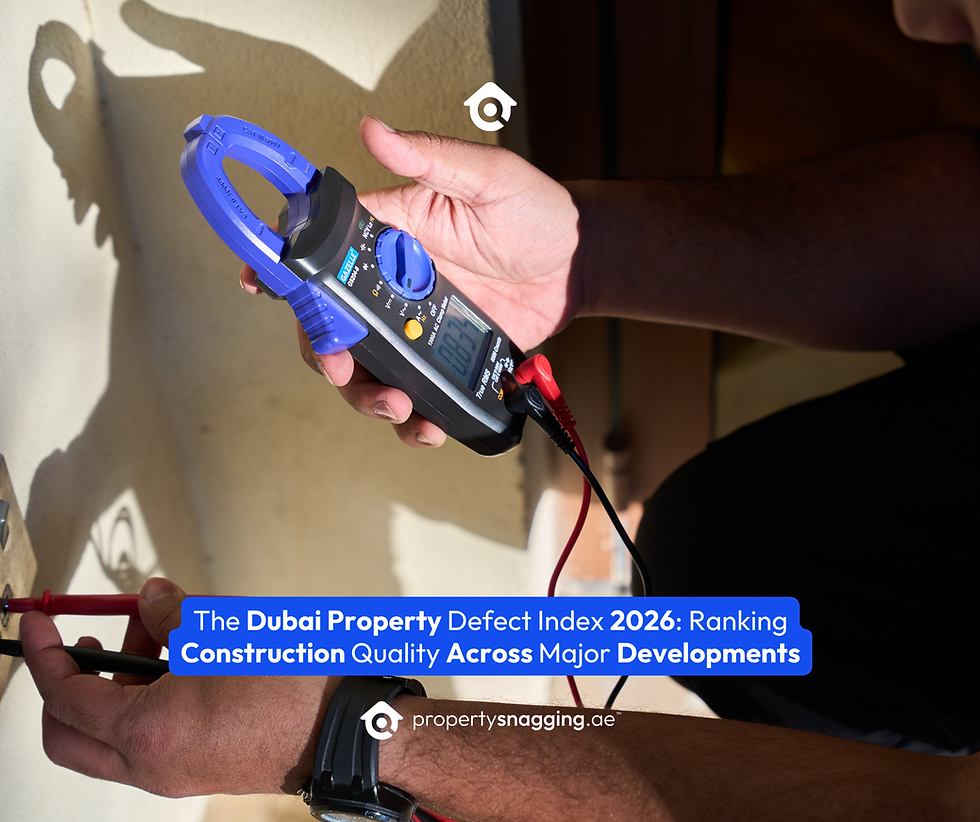
Electrical testing should be performed using appropriate test equipment and within the inspector's scope of work. A visual check alone cannot establish every electrical characteristic of an installation.
4. Plumbing and Water Supply
Water systems should be tested wherever access and operating conditions allow.
Main water supply
Water pressure behaviour
Hot-water operation
Cold-water operation
Basin taps
Kitchen taps
Shower mixers
Bathtub taps
Toilet flushing
Toilet fill operation
Toilet base condition
Basin drainage
Shower drainage
Bathtub drainage
Kitchen sink drainage
Drain covers
Visible pipe connections
Flexible hoses
Isolation valves where accessible
Leaks beneath sinks
Leaks around sanitary fittings
Sealant around basins
Sealant around showers
Sealant around bathtubs
Water staining
Unusual drainage behaviour
Slow drainage
Overflow provisions where applicable
A slow drain should not automatically be dismissed as a minor issue. It can indicate restriction, poor installation or an incorrect drainage configuration that needs further investigation.
5. Bathrooms and Wet Areas
Bathrooms deserve particular attention because several building systems meet in one relatively small area.
Check:
Wall tile installation
Floor tile condition
Tile alignment
Grout condition
Silicone joints
Shower screen alignment
Shower screen seals
Shower door operation
Shower mixer
Shower head
Hand shower
Floor drainage
Water flow toward drainage points where appropriate
Basin installation
Basin waste
Toilet alignment
Toilet flush
Toilet seat
Bidet or health faucet where installed
Vanity condition
Cabinet doors
Mirrors
Bathroom accessories
Exhaust fan
Ceiling condition
Moisture staining
Visible plumbing leaks
Pay particular attention to junctions between different materials. These are common locations for poor finishing, incomplete sealing and potential water penetration.
6. Kitchen and Utility Areas
A kitchen handover inspection should cover both finishes and functionality.
Kitchen cabinets
Cabinet alignment
Cabinet hinges
Cabinet handles
Drawer operation
Drawer alignment
Soft-close mechanisms
Countertop condition
Countertop joints
Backsplash
Sink installation
Sink seal
Sink drainage
Tap operation
Under-sink plumbing
Water leakage
Appliance connections
Oven
Hob
Extractor hood
Dishwasher connection
Washing-machine connection
Refrigerator connection
Electrical sockets
Cabinet lighting where installed
Ventilation
Silicone around countertop and sink
Damaged surfaces
Scratches and chips
Built-in appliances should be checked according to their installed configuration and manufacturer requirements rather than assumed to be operational because they are new.
7. HVAC, Cooling and Ventilation
Dubai properties depend heavily on mechanical cooling, so HVAC should not be treated as a secondary inspection item.
Check:
Thermostat operation
Temperature control
Air-conditioning response
Supply-air outlets
Return-air grilles
Airflow from accessible outlets
Unusual noise
Unusual vibration
Visible condensation
Accessible duct connections
AC drain condition where accessible
Ceiling areas around AC units
Moisture staining
Fan operation
Bathroom exhaust
Kitchen extraction
Ventilation grilles
Thermostat location and condition
A room can feel cool during a short visit while still having an airflow, condensation or drainage problem that needs attention.
8. Bedrooms, Living Areas and Built-In Elements
Inspect every room individually.
Bedroom doors
Wardrobe doors
Wardrobe hinges
Wardrobe shelves
Drawer operation
Built-in cabinets
Flooring
Skirting
Walls
Ceilings
Light fittings
Switches
Power sockets
Data outlets
Curtain tracks
Curtain pockets where installed
Internal glazing
Balcony access
Door locks
Joinery alignment
Do not assume identical rooms have identical workmanship. Each room should be checked separately.
9. External Areas, Villa Spaces and Service Areas
For villas, townhouses and properties with external areas, extend the inspection beyond the internal living space.
External doors
Boundary walls where applicable
External paint
Terrace finishes
Patio drainage
Garden drainage
External taps
Irrigation points where installed
Pool area finishes where applicable
Pool equipment where included in scope
Service rooms
Storage areas
External electrical points
External lighting
AC outdoor units where accessible
Visible pipework
Roof or terrace areas where safely accessible
Access limitations should always be recorded rather than treating inaccessible areas as inspected.
10. Safety and Documentation
Before accepting the property, verify the information supplied with the unit.
Keys
Access cards
Remote controls
Parking access
Storage access
Appliance manuals
Warranty documents
Equipment documentation
Access to installed systems
Meter information where applicable
Property-specific handover documents
Developer defect-reporting procedure
Outstanding works
Previously reported defects
Items marked incomplete
Missing fixtures
Missing accessories
Keep photographs of significant defects and record their exact location. A useful snagging report should allow another person to identify the defect without having to revisit the property simply to understand the description.
What a Handover Checklist Should Not Replace
A checklist is useful for consistency, but it should not be confused with a professional inspection.
A buyer can identify many visible defects independently. The more difficult question is whether a component behaves correctly and whether a visible symptom indicates a deeper installation problem.
For example, a professional inspector may use appropriate electrical testing equipment, moisture measurement equipment or thermal imaging where relevant and within scope. These tools can provide evidence that cannot be obtained reliably through visual inspection alone.
The distinction becomes important when a defect is disputed or requires rectification by the developer.
The financial consequences of overlooking defects can also extend beyond the repair itself. Our analysis of the hidden cost of property defects in Dubai explains why documenting problems early matters.
When Should You Complete the Handover Inspection?
Ideally, the detailed inspection should take place before final acceptance of the property, where the developer's process permits it.
If the property is already handed over, inspection should still be completed as soon as possible. Waiting can make it harder to establish whether a problem existed at handover or appeared later through occupation, alterations, furniture installation or normal use.
For an off-plan property, the inspection should also consider the specific stage of completion. An incomplete unit should not be assessed in exactly the same way as a fully finished and commissioned property.
How to Turn the Checklist Into a Useful Snagging Report
The value of an inspection depends partly on how defects are recorded.
A useful report should identify:
The exact location
The component affected
What is wrong
Why it requires attention
Supporting photographs
Relevant measurements or test observations where applicable
Priority or severity where appropriate
Whether access was restricted
Whether further investigation is recommended
Avoid vague descriptions such as "bathroom problem" or "bad finishing."
A stronger description identifies the specific defect, its location and the required rectification. This makes the report more useful to both the owner and the developer's maintenance or quality team.
You can explore the wider Property Snagging Dubai inspection resources for additional guidance on handover and post-handover inspections.
Why Professional Handover Inspection Adds Value
A professional inspection does not simply produce a longer checklist. It applies a systematic inspection sequence and uses appropriate testing methods to identify defects that are easy to overlook during a rushed developer walkthrough.
That matters particularly in large properties, villas, premium apartments and units with extensive mechanical, electrical and plumbing installations.
The inspection should also remain evidence-based. If an area cannot be safely accessed or a system cannot be tested under the available conditions, it should be recorded as a limitation rather than presented as confirmed.
For buyers who want the inspection handled independently, PropertySnagging.ae provides professional property inspection and snagging services in Dubai.
Conclusion
The purpose of a Dubai Property Handover Checklist 2026 is not to make handover unnecessarily complicated. It is to create a structured process for checking the property before defects become harder to document and rectify.
A proper inspection should move room by room and system by system, covering finishes, doors, windows, electrical installations, plumbing, bathrooms, kitchens, HVAC, drainage, external areas and installed equipment. More importantly, it should distinguish between something that merely looks acceptable and something that has actually been checked for function.
Before taking the keys, give the property enough time for a proper inspection and document defects with clear evidence. A few hours of systematic checking can be far more useful than discovering the same issues after moving in.
If you want an experienced inspection team to assess your property and prepare a detailed snagging report before handover, contact PropertySnagging.ae.
+971 56 790 7966
1063+ Verified 5-Star Reviews